

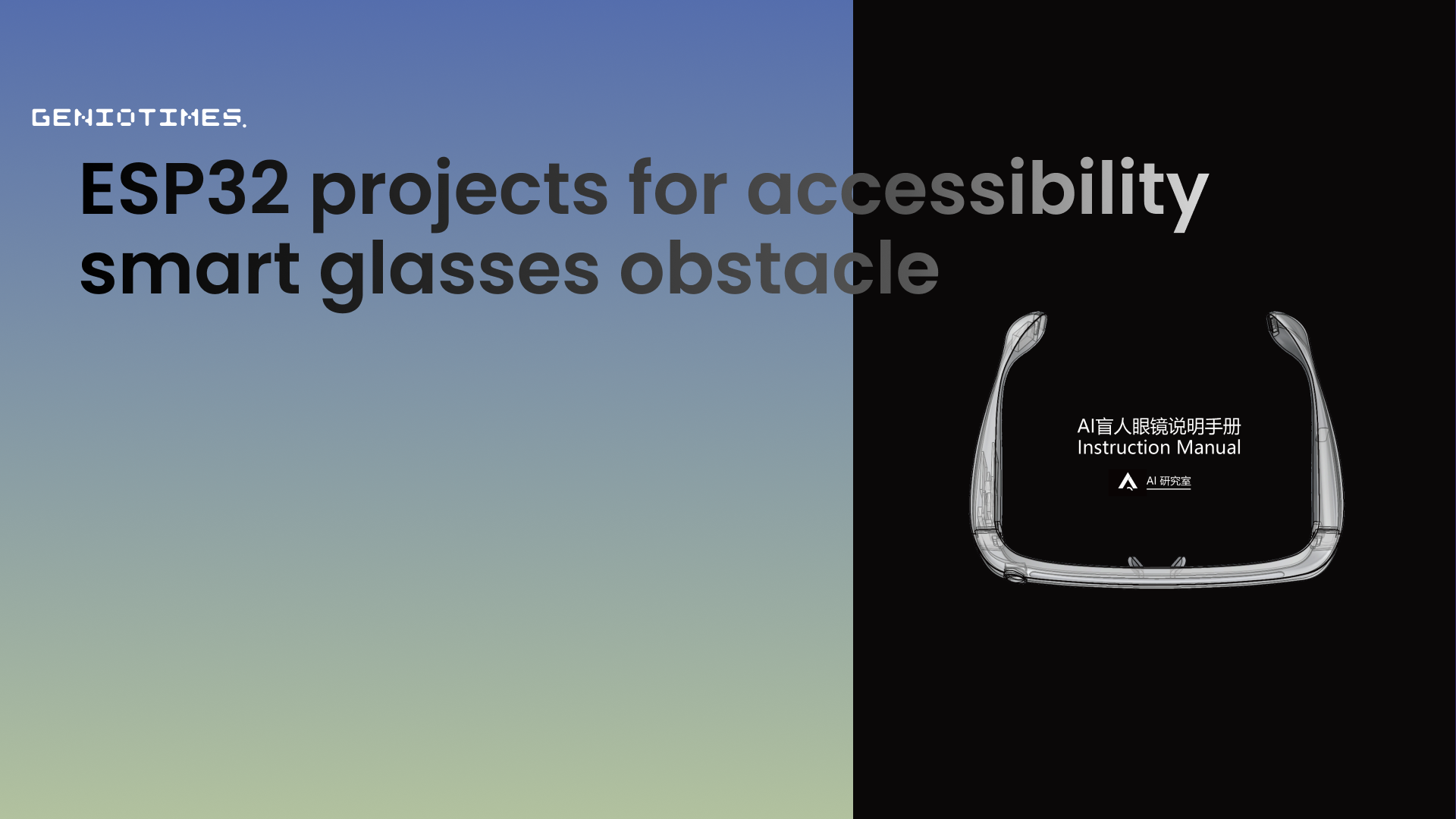
In the exciting world of ESP32 projects, innovation meets accessibility head-on. Discover the OpenAI Glasses for Navigation, an open-source ESP32-powered framework that delivers real-time blind path detection, obstacle avoidance, and voice-guided support. This standout among ESP32 AI projects uses affordable hardware to create smart glasses for blind navigation, integrating models like Qwen-Omni-Turbo for natural, multimodal AI interactions that enhance independent mobility.
Perfect for makers diving into ESP32 microcontroller projects or developers passionate about assistive tech for visually impaired, this framework offers extensibility and low-cost entry. Explore how it redefines AI-assisted navigation through hands-on ESP32 innovation.
Exploring OpenAI Glasses as a Premier ESP32 Project
This ESP32 project for navigation is built for experimentation and learning, merging ESP32-CAM for video input, microphones for voice capture, and speakers for output. Server-side Python handles processing over WebSocket for responsive performance, making it a prime example of ESP32 IoT projects in action.
With simple, budget-friendly ESP32 modules, it skips pricey components while tapping OpenAI-inspired AI via Alibaba Cloud’s DashScope for speech recognition and smart replies. MIT-licensed and featuring ModelScope-downloadable models, it’s a gateway for customizing ESP32 AI glasses prototypes – ideal for hobbyists tackling ESP32 computer vision projects.
Beyond code, it’s a meaningful push for navigation aids for the blind, addressing everyday hurdles like city navigation with practical ESP32 ingenuity.
Key Features Driving This ESP32 Navigation Project
Blending vision, audio, and AI, this ESP32 smart glasses project delivers intuitive tools for visually impaired navigation. YOLO segmentation spots sidewalks instantly, offering voice directions for turns, barriers, and steadying via Lucas-Kanade flow – a clever twist on ESP32 embedded AI projects.
For crossings, it detects stripes and signals, providing alignment tips and alerts for secure traversal in crowds. Voice queries like “Find my keys” activate YOLO detection, hand tracking with MediaPipe, and guided steps. Seamless chats kick off with “Start navigation,” powered by Qwen-Omni-Turbo, while a localhost:8081 dashboard streams video, IMU views, and metrics.
This setup positions it as a versatile ESP32 project idea for real-life smart glasses navigation applications.
Step-by-Step Guide to Launching Your ESP32 Project
Kick off this ESP32 DIY project with a capable server (i5+ CPU, NVIDIA GPU advised) and ESP32 gear. Clone via git clone https://github.com/AI-FanGe/OpenAIglasses_for_Navigation, then cd into rebuild1002. Set up a venv with python -m venv venv, activate, and pip in requirements: pip install -r requirements.txt.
Grab models like YOLO-seg from ModelScope into /model. Drop your DashScope key in .env, then fire up python app_main.py for the http://0.0.0.0:8081 interface. Flash ESP32 for live feeds and test commands for quick blind assistance tech responses.
Boost with CUDA 11.8+ for fluid AI blind navigation in your ESP32 hardware project.
Applications and Horizons for ESP32 Enthusiasts
Tailored for assistive navigation for the visually impaired, this ESP32 project tutorial aids commutes and errands – think signal-savvy street crossings or voice-led item hunts. It’s ripe for robotics or low-vision tweaks, sparking fresh ESP32 open-source projects in accessible tech.
Educational at heart (not for live deployment), it fuels creativity in OpenAI ESP32 integrations and beyond.
Elevate Your Portfolio with This ESP32 Project
Affordable, potent, and collaborative, OpenAI Glasses shines as a top ESP32 project for beginners and pros in AI accessibility tools. For more budget-friendly inspiration, explore our guide to 6 Cheap ESP32-Based Devices for Smart Home Projects. Head to the GitHub repo to clone and iterate.
